- Introduction: Navigating the World's Highest Helipads
- The Gateway: Commercial Tourist Helipads
- Additional Commercial Points
- The Restricted Network: Military Operations
- Extreme Altitude: Emergency-Only Landing Points
- Prohibited Zones
- Planning Your Helicopter Tour: Essential Information
- The Best Seasons and Weather
- Choosing Your Operator
- Why Should You Book Your Everest Helicopter Tour with Heli On Call?
- Conclusion: More Than Just a Flight
- Ready to Book Your Everest Adventure?
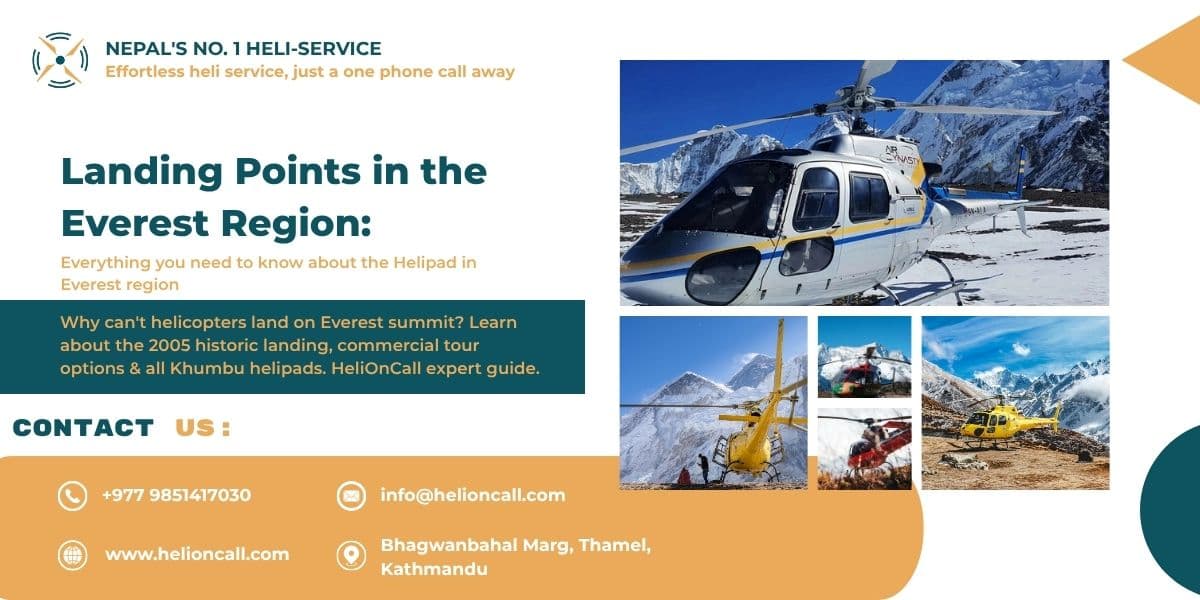
Landing Points at Everest Region: Everything you need to know about the Helipad in Everest region
Introduction: Navigating the World's Highest Helipads
Getting to the Everest region by helicopter is one of the hardest things in the world to do. You need to be skilled at flying and know how to connect the world's most remote areas. The Khumbu area offers more than just the world's tallest peak. It also has a complicated system of landing areas that are useful for hikers, climbers, locals, and military activities. At each landing zone, you can see how engineering and flight have made things work at high altitudes and in bad weather.
You should know about this network if you want to go on a trip. It shows how well each Everest helicopter tour is planned and how safe the places are for trips to the mountains. These landing spots are where the goals of people and the beauty of nature meet. They include Lukla, the most dangerous business airport in the world, and rescue stations close to the death zone on Everest. It lists all 27+ helicopter parking spots in the Everest area, explains what they're used for, what they can't do, and the very high level of skill needed to use them safely.
There is more to flying into the Everest region than just taking a helicopter ride. It's a carefully planned trip through one of the world's hardest places to fly. In the Khumbu, there are more than 27 specialized landing sites. Each one connects some of the world's most remote mountain scenery in a different way.
If you want to take a helicopter tour of Everest or just learn more about flying at high altitudes, this network will show you the amazing infrastructure that makes Himalayan adventures possible.
The Gateway: Commercial Tourist Helipads
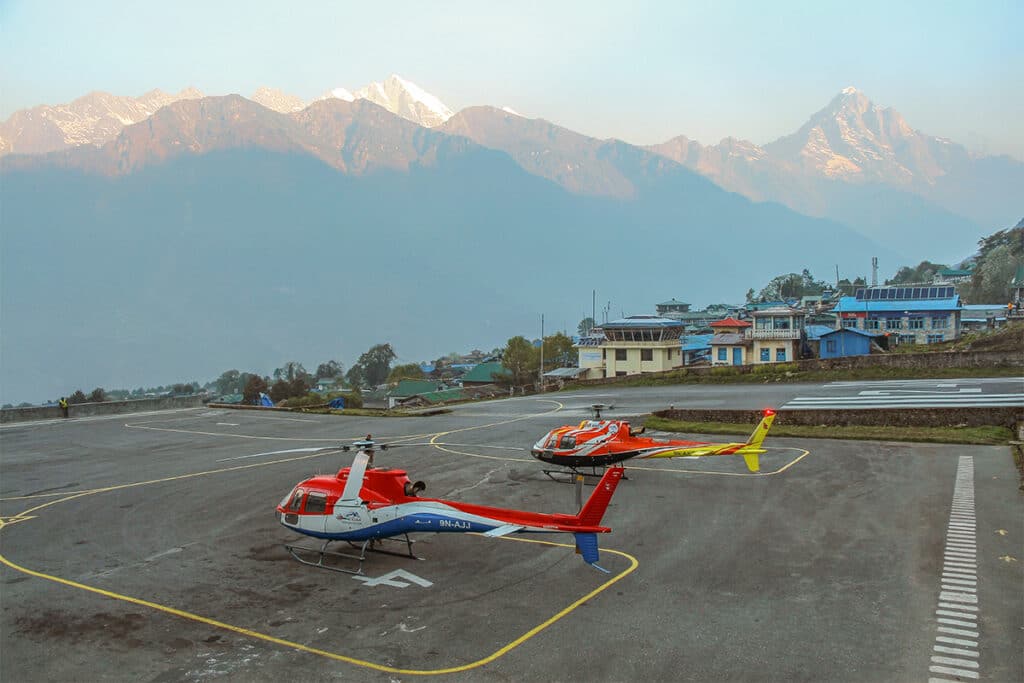
Lukla (Tenzing-Hillary Airport) – 2,860m
The Dramatic Gateway: This famous airport is the main way to get to Everest. The runway is 527 meters long and has a steep 12% slope, which makes every landing an unforgettable experience. Lukla is known as one of the most dangerous airports in the world, but it is also the main refueling stop for all operations deeper into the Khumbu.
Kala Patthar – 5,545m
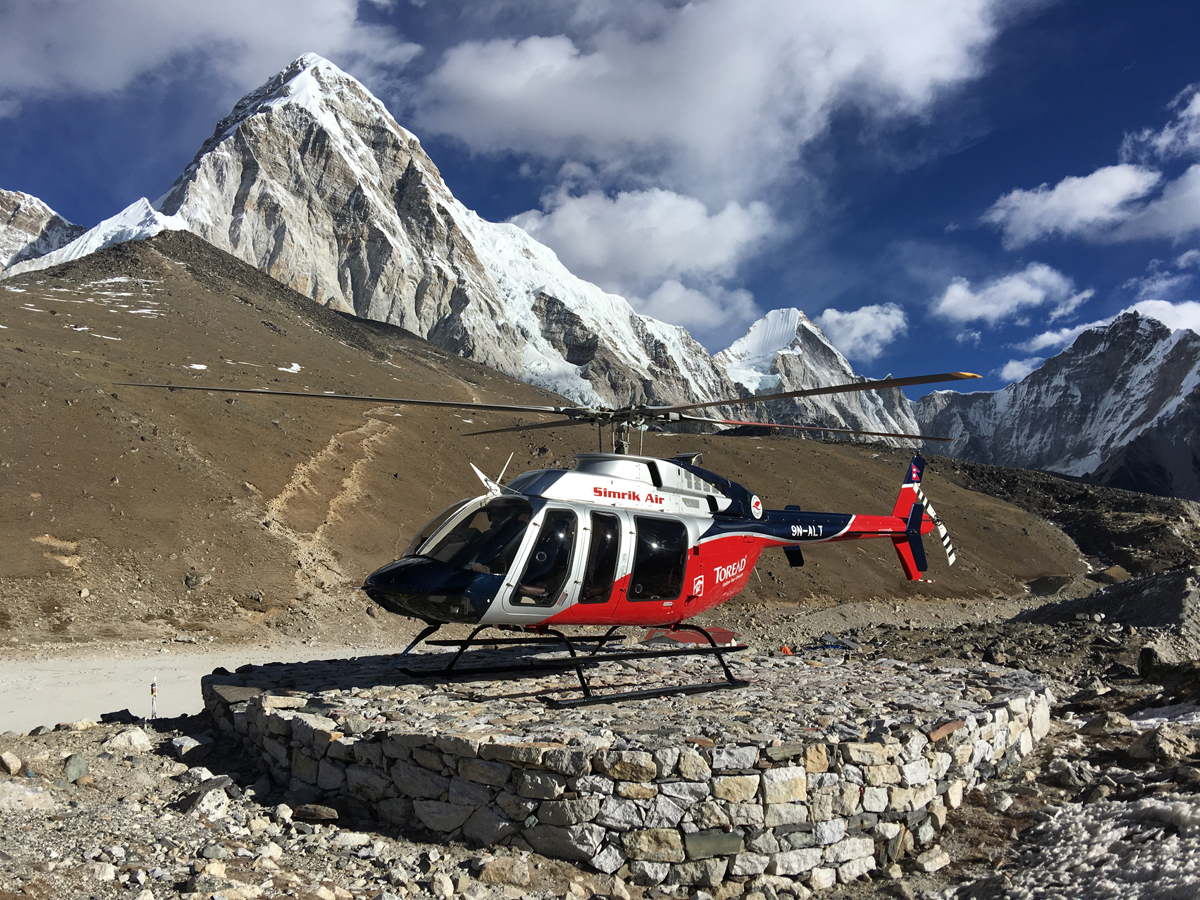
World's Highest Commercial Landing: The world's highest commercial helicopter landing point gives you a view like no other: Everest's south face is only 8 kilometers away. At this very high altitude, helicopters are pushed to their limits, so every landing is a test of both the pilot's skill and the machine's ability.
Hotel Everest View / Syangboche – 3,880m
Luxury at Altitude: This luxury hotel holds the Guinness World Record for the most comfortable rooms with stunning views of Everest, Lhotse, and Ama Dablam. The helipad is for people who want to see the beauty of the Himalayas without having to hike for days on end.
Gorakshep – 5,140-5,180m
Last Permanent Settlement: Gorakshep's sand and gravel landing zone is the last permanent settlement before Everest Base Camp. It is in a stark, barren area. It is both a starting point for hikers who are going to Base Camp and a crucial place to stage emergency evacuations.
Tengboche – 3,860m
The Spiritual Heart of Khumbu: This landing point is more than just a helipad; it is also the home of the Tengboche Monastery, the largest Buddhist monastery in the Khumbu. The area is the spiritual heart of the region and has amazing views of Ama Dablam.
Namche Bazaar – 3,440m
Busy Sherpa Capital: The busy capital of Sherpa has several landing zones on its outskirts. Namche's helipads are very important for getting supplies, running tourist businesses, and providing emergency medical services, even though they are built into a steep bowl.
Gokyo – 4,790m
Four 8,000 m Peaks Panorama: This helipad is next to the beautiful turquoise Gokyo Lakes and offers a different way to see Everest. Visitors can see four 8,000-meter peaks from here: Everest, Lhotse, Makalu, and Cho Oyu. This view is hard to beat.
Additional Commercial Points
- Pheriche (4,280 m)—Medical Hub: A strategic shuttle stop close to the Himalayan Rescue Association clinic
- Dingboche (4,410 m)—The Summer Valley: This area is known for its warmer microclimate and beautiful amphitheater of peaks.
- Lobuche (4,910 m)—High-Altitude Outpost: A rocky, unforgiving place to land that is mostly used for emergency evacuations.
- Syangboche Airstrip (3,720–3,800 m)—A Historic Place for Aviation: Originally planned to be the highest airport in the world, now it's a backup landing spot.
- Pangboche (3,930 m)—Ancient Village: Home to a monastery that says it has a "Yeti scalp"
- Phakding (2,610 m)—Lower Gateway: This is a backup point for medical evacuations between Lukla and Namche.
- Thukla (4,620 m)—Climbers' Memorial: This area is only for emergencies and is close to the memorial.
The Restricted Network: Military Operations
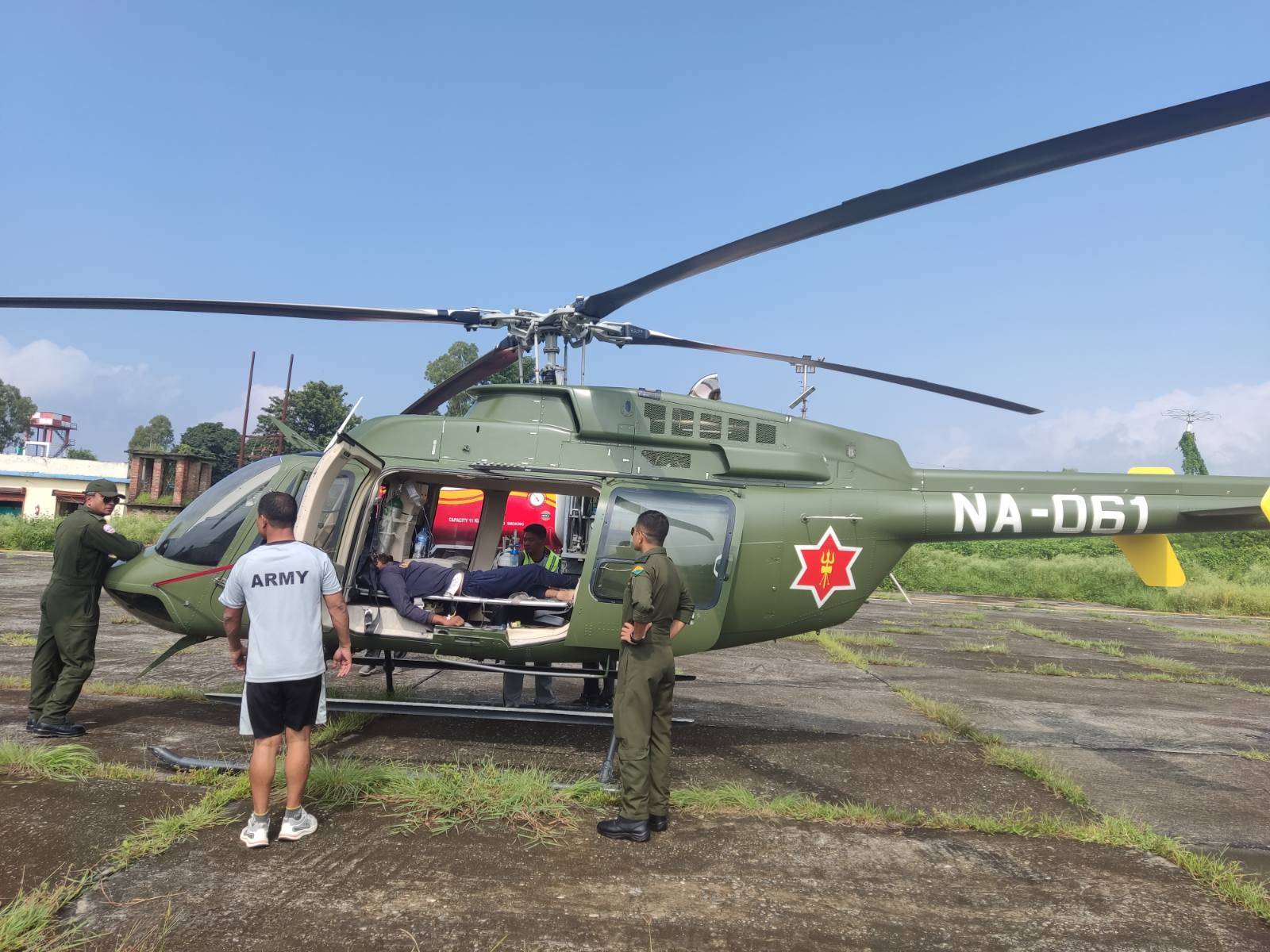
Important: These 8+ locations are strictly off-limits to tourists and serve national security, border patrol, and rescue coordination functions:
- Namche Bazaar Army Helipad (central rescue coordination hub)
- Syangboche Army Helipad (strategic surveillance post)
- Lukla Army Helipad (logistical operations base)
- Tribhuvan International Airport NAAS Base (Kathmandu command center)
- Baluwatar VIP Helipad (Prime Minister's residence)
- Additional border posts in Dhunche, Humla, and other remote districts
Extreme Altitude: Emergency-Only Landing Points
These locations represent the absolute limits of helicopter capability, used only when lives hang in the balance:
- Camp 1 (Everest)—6,000 m: Located in the treacherous Khumbu Icefall, landings here require perfect conditions and extraordinary pilot skill.
- Camp 2 (Everest)—6,400 m: The highest practical landing point on Everest itself, situated in the Western Cwm. This represents the absolute limit for helicopter operations.
- Western Cwm Emergency Zones (6,000-7,000 m): Various temporary zones identified for desperate, last-resort rescues—not formal helipads but areas where skilled pilots might attempt momentary touchdowns in life-or-death scenarios.
Prohibited Zones
Everest Base Camp (5,364m)
No permanent helipad exists at the actual camp. The Khumbu Glacier's constant movement (1-2 meters daily) makes fixed infrastructure impossible. Government regulations strictly prohibit landings to preserve the environment and maintain camp safety. Helicopters may fly over but cannot land.
Mount Everest Summit (8,848m)
Completely prohibited. The 2005 landing by Didier Delsalle remains a singular, exceptional achievement—not a repeatable commercial operation.
Planning Your Helicopter Tour: Essential Information
Weight and Physical Considerations
High-altitude performance constraints mean strict weight limitations—typically 10-15 kg for checked luggage plus 5 kg carry-on. At extreme elevations, like Kala Patthar, passenger loads may reduce to just 2–3 people per shuttle.
Even short stays at high altitudes can cause mild symptoms of altitude sickness. Reputable tour companies plan trips with gradual increases in altitude to make them less uncomfortable.
The Best Seasons and Weather
The Everest region has unique seasonal patterns that have a big effect on helicopter operations:
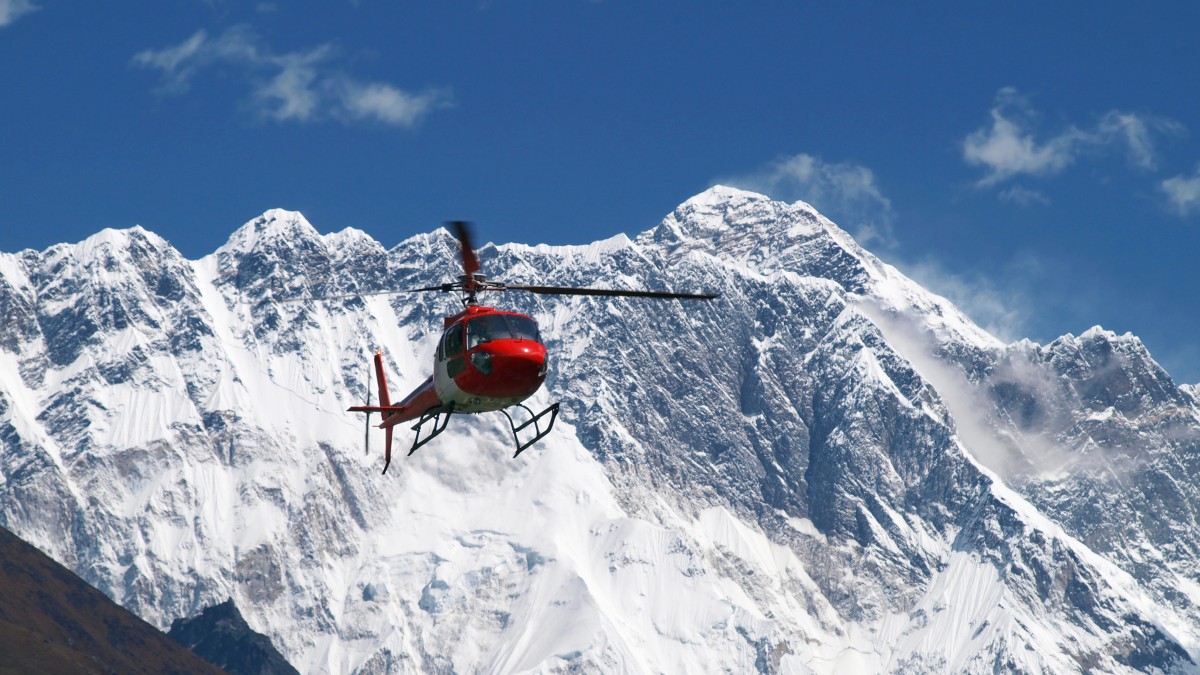
Spring (March to May): Spring is the best time of year for helicopter tours of Everest because the weather is most likely to be good. As winter's hold on us loosens, the weather gets milder and the skies get clearer. It can still snow in March, but April and May usually have stable weather with good visibility. Most Everest expeditions start around this time, which makes the area very busy with climbing activity. Morning flights are best because the winds are calm and the views are clear before the clouds start to build up in the afternoon.
Fall (September–November): The Best Time to Visit Many people think that fall is the best time for helicopter tours. The air is clear after the rainy season, and the mountains are more visible than ever. The weather is mostly steady, and the temperatures are still comfortable. September can sometimes have prolonged monsoon rain, but October and early November always have beautiful weather. Lower levels are lush and green after the monsoon, which looks beautiful next to the snow-capped peaks.
Winter (December–February): It's clear but cold In the winter, the skies are clear, and you can see the mountains without any clouds in the way. However, the very cold weather can be difficult. When it's cold, the air density drops, making it harder to land at high altitudes. Winter is good for those who can handle the cold and don't mind shorter flights due to fewer people.
Monsoon Season (June–August): Not a Good Idea Heavy rain, thick clouds, and uncertain weather during the summer monsoon make it hard or impossible for helicopters to operate. During this time, most tour companies drastically cut or stop Everest flights. Flight cancellations are common, often obstructing views of the mountains.
No matter what time of year it is, the weather at high elevations is always uncertain. Recent events, like Tropical Cyclone Montha in October 2025, show how fast things can change. Montha brought unusually heavy snowfall that shut down both the Nepali and Tibetan Everest routes for a while. This lack of predictability makes it even more important to book with experienced workers who can make safety decisions in real time.
Choosing Your Operator
Prioritize firms' offerings:
- Proven knowledge in the Everest region
- Transparent safety records and operating norms
- Make sure you know what to do in an
- Comprehensive insurance coverage
- Skilled guides at high levels
Why Should You Book Your Everest Helicopter Tour with Heli On Call?
It's not just helpful to have knowledge when you're flying in the world's most difficult aviation environment. The thing that makes Heli On Call unique is:
Deep knowledge of the area
Our pilots have been specializing in operations in the Everest region for more than 15 years, so they don't just follow routes; they know this whole network of 27+ landing places inside and out. We know what each zone can and can't do, how the weather changes every hour, and what other choices are available in case things change quickly.
Putting safety first
Because we know how to run our business so well, every flight has a main plan, two backup plans, and the knowledge to carry out either one perfectly. We know everything there is to know about each landing point's weight limits, altitude limits, and emergency processes. This kind of institutional understanding is what sets truly safe operations apart from fun rides.
Standards That Are Clear
We make it clear what to expect, from the maximum weight to the effects of high altitude. Our team plans trips with acclimatization in mind and keeps clear records of all safety incidents. You will know exactly what you are booking and why each choice was made.
Global Standards and Local Knowledge
Our guides know a lot about the Himalayas' geography and culture, and they also know how to follow international safety rules for airplanes. This one-of-a-kind mix makes sure that you have an authentic experience in the Everest area while still following the strictest safety rules.
Conclusion: More Than Just a Flight
Since the area around Everest has been one of the harshest places on Earth for decades, pilots have learned how to use a complicated web of landing areas. From the dramatic entrance to Lukla to the record-breaking height of Kala Patthar, each helipad tells a story of how people have combined natural beauty with their own creativity.
It's not just a way to see the sights on a helicopter tour once you know how this system works. It's a celebration of the amazing infrastructure that makes Himalayan adventures possible. Mountains, people, and tools all need to respect each other, be skilled, and always keep safety in mind in order to work together.
You will want to visit this network because it has the world's highest commercial landing spot, Tengboche is a holy mountain, and Gokyo Lakes are beautiful turquoise. Professionals with years of experience in flying through these challenging skies will guide your trip.
The Everest region encompasses more than just the world's tallest mountains. It also shows what's possible when smart tech meets bold adventure. The helicopter tour gives you a wonderful view of this amazing show of skill.
Ready to Book Your Everest Adventure?
Experience the Himalayas with Nepal's most trusted helicopter tour operator. Our adventure experts are prepared to assist you in organizing your remarkable expedition through the Everest region.
Contact HeliOnCall Today:
- Phone: +977 985-1417030
- Email: [email protected]
- Website: HeliOnCall.com
- Office: Bhagwanbahal Marg, Thamel, Kathmandu
How to Connect with Us:
- Contact our team via phone or email to discuss your desired dates and level of expertise.
- Obtain a comprehensive itinerary tailored to your preferences and timetable.
- Inquire regarding weight restrictions, altitude factors, and necessary items to bring.
- Book confidently, assured by over 15 years of expertise in Everest expeditions.
Do not merely observe the Himalayas—immerse yourself with the team that is well-versed in every landing site, climatic condition, and safety procedure that facilitates your expedition.
Choose Safety. Choose Experience. Choose Heli On Call.